Are TEREA Sticks for ILUMA Actually Eco-Friendly? An Honest Look
Are TEREA Sticks for ILUMA Actually Eco-Friendly? An Honest Look
I started noticing them on my walk to the tram stop. Not the usual flattened cigarette butts, though those were there too, but something different: small white sticks with a filter-like tip and a short section of tobacco, tossed onto the pavement, wedged into tram tracks, floating in the gutter after rain. TEREA sticks. I had switched to a heated tobacco device a few months earlier, partly because it felt cleaner, partly because the smell bothered my flatmate less. But standing over that litter, I had to ask myself an uncomfortable question. Are these sticks actually any better for the environment, or have I just traded one kind of waste for another?
If you are an adult smoker in Europe thinking about making the switch, you have probably asked the same thing. The answer is not as simple as the marketing suggests. This is an honest look at what TEREA sticks for ILUMA are made of, how they compare to combustible cigarettes and other heat-not-burn sticks, and what actually happens to them after you are done. Along the way, I looked at how these products are sold and shipped across Europe, because the way you buy them, including through an online tienda de tabaco calentado, has its own environmental footprint that rarely gets discussed.
What Is Actually Inside a TEREA Stick?
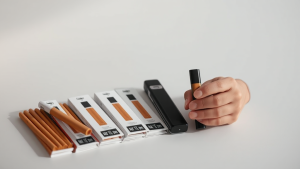
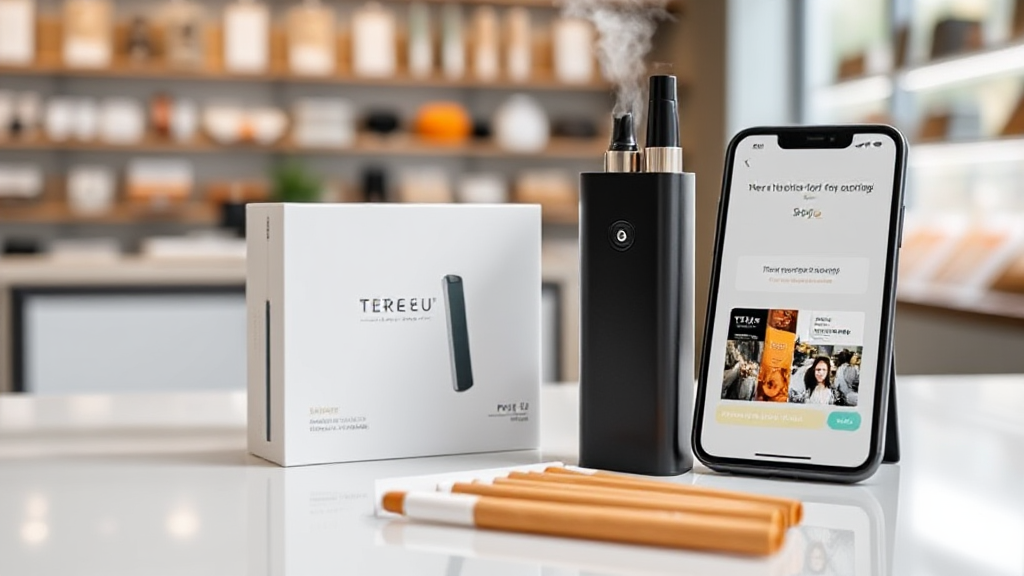
To judge the environmental impact, you need to know what you are holding. A TEREA stick is not a cigarette. It contains a tobacco plug, a hollow acetate filter, a paper wrapper, and a small aluminium foil section that helps the stick heat evenly inside an ILUMA device. That aluminium layer is one of the key differences from a conventional cigarette, which is mostly paper, tobacco, and a filter made of cellulose acetate.
The tobacco itself is processed and reconstituted, and the stick is designed to be heated rather than burned. Because there is no combustion, the stick does not produce ash or the fine particulate matter that comes from a burning cigarette. That is the main reason many people assume it is automatically greener. But the absence of smoke does not mean the absence of waste. The stick still has to be manufactured, packaged, shipped, used, and thrown away, and each of those steps carries a cost.
One thing that stands out is the foil. Aluminium production is energy-intensive, and even a thin layer adds to the material footprint of every single stick. Multiply that by a pack of twenty, then by a week, then by a year, and the numbers start to matter. It is not a reason to panic, but it is a reason to be honest about what you are consuming.
How TEREA Compares to Combustible Cigarettes
This is where the picture gets more interesting. A combustible cigarette is a small chemical factory. When you light it, you are burning tobacco at high temperatures and releasing thousands of compounds into the air, including carbon monoxide, tar, and fine particles. The environmental cost of that combustion is real, both for the air around you and for the people nearby.
A TEREA stick, by contrast, is heated to a much lower temperature. There is no flame, no ash, and no sidestream smoke. From an air-quality perspective, that is a meaningful difference, especially in dense European cities where outdoor smoking is common and indoor smoking is heavily restricted. If you care about the air other people breathe, the switch is not nothing.
But cigarettes and TEREA sticks share a serious problem: litter. Both end up on the ground far too often. Cellulose acetate filters from cigarettes can take years to break down, and they leach nicotine and heavy metals into soil and water. TEREA sticks are smaller and contain less plastic in the filter, but they still contain a plastic acetate filter and a foil layer. Tossed on the street, they are still litter. They are not biodegradable in any practical sense, and they do not belong in a gutter.
So on combustion and air quality, TEREA wins. On litter and material waste, the gap is much narrower than most people assume.
TEREA vs Other Heat-Not-Burn Sticks
Heated tobacco is not one product. Different brands use different designs, and the environmental profile varies. Some sticks are simpler, with less foil and a more basic filter. Others are engineered for specific devices and use more complex materials to control temperature and airflow.
TEREA sticks are designed specifically for the ILUMA range, which uses induction heating rather than a heating blade. That design choice affects the stick construction, including the metal foil element that interacts with the device. From a waste perspective, that means more material per stick than some simpler alternatives. From a performance perspective, it means more consistent heating and less residue inside the device, which can mean less cleaning and fewer replacement parts over time. That is a trade-off worth weighing.
Other heat-not-burn sticks on the European market may use less metal and simpler packaging. If your main concern is material volume per stick, it is worth comparing. But if you already own an ILUMA device, switching stick brands is not always possible, and the device itself has a much larger material footprint than any single stick. The most sustainable choice is usually the one that keeps you using one device for as long as possible instead of replacing it every year.
The Waste Problem Nobody Wants to Talk About
Here is the uncomfortable part. Heated tobacco sticks are not recyclable in standard European municipal systems. The mix of tobacco, paper, acetate, and foil makes them difficult to process. In most countries, they go straight into general waste, and from there to landfill or incineration. Some brands have pilot take-back schemes, but availability varies widely across Europe and most users never encounter one.
That means the realistic end-of-life scenario for a TEREA stick is the same as for a cigarette butt, unless you actively manage it. The difference is that heated tobacco users often feel their habit is cleaner, which can make them less careful about disposal. I have caught myself doing it, dropping a used stick into a bin only because I happened to be near one, not because I had planned for it.
The practical fix is simple but requires a habit change. Carry a small portable ashtray or a sealed pocket container. Empty it into general waste at home. Do not flick sticks onto the ground, into planters, or down drains. This sounds trivial, but litter is the single most visible environmental impact of any tobacco product, and it is the one you control directly.
Packaging is another factor. Sticks come in packs, packs come in cartons, cartons come in shipping boxes. Buying in larger quantities less often reduces packaging and delivery emissions per stick. That is one reason many European users now order through an online shop rather than making frequent small purchases at a local kiosk. Ordering in bulk from a single source, with one delivery instead of several, is a small but real reduction in transport footprint.
What This Means for Your Own Choices
So, are TEREA sticks for ILUMA eco-friendly? Not exactly. They are better than combustible cigarettes on air quality and combustion-related emissions, and they avoid the ash and tar that come with burning. But they are not plastic-free, not easily recyclable, and not harmless when littered. The honest answer is that they are a different trade-off, not a free pass.
If you are an environmentally conscious adult smoker in Europe, here is a practical takeaway. First, treat the stick as waste, not as something that disappears. Carry a container and dispose of it properly. Second, buy in larger batches less often to reduce packaging and delivery emissions. Third, keep your device for as long as it works instead of chasing every new model. Fourth, if a take-back or recycling scheme becomes available in your country, use it.
None of this makes heated tobacco a green product. It makes it a product you can use with more awareness. The biggest environmental gain comes from the switch away from combustion, and the biggest remaining problem is the one you can fix yourself: what you do with the stick after the last puff. That is not a marketing claim. It is just what the litter on my walk to the tram stop kept telling me.