What Are the Benefits of Red Light Therapy? What the Evidence Actually Supports
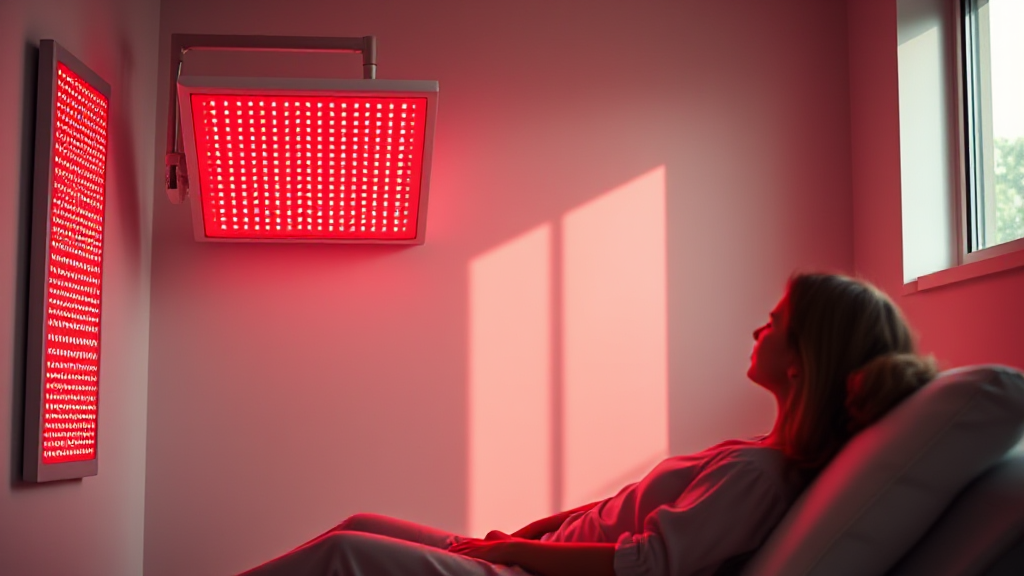
Walk through a pharmacy, scroll through a fitness feed, or wander past a wellness studio, and you’ll see red light therapy sold as a fix for nearly everything. Wrinkles, back pain, thinning hair, slow-healing wounds, poor sleep, low mood. The marketing is loud and confident, and that confidence is exactly why so many people end up confused about what are the benefits of red light therapy in reality.
This isn’t a pitch. It’s an honest sorting exercise. Some benefits have real clinical weight behind them, some look genuinely promising but are still early, and a few are mostly wishful thinking dressed up in lab coats. By the end, you’ll know which claims deserve your attention, which deserve your skepticism, and how to tell a device that might work from one that just glows red.
What Red Light Therapy Actually Is
Red light therapy goes by several names: photobiomodulation, low-level laser therapy, or LED light therapy. They all describe the same basic idea. You sit or lie near a panel, wand, or mask that emits light in specific wavelengths, usually in the red and near-infrared part of the spectrum, and that light penetrates the skin without burning it.
Wavelength matters more than most product pages admit. Red light typically sits around 630 to 660 nanometers, and it mostly affects the surface layers of skin. Near-infrared light runs roughly 800 to 850 nanometers and reaches deeper into muscle and joint tissue. A device that only does red light won’t do the same job as one that also does near-infrared, even if the marketing photos look identical.
The proposed mechanism is fairly well described, if not fully settled. Certain light-sensitive structures inside your cells, particularly in the mitochondria, appear to absorb this energy and respond by producing more ATP, the molecule your cells use for fuel. That’s thought to trigger a cascade of downstream effects: less oxidative stress, reduced inflammation, and better blood flow to the treated area. It sounds tidy, and the basic biology has been studied for decades, but the leap from cellular response to a visible benefit for you is where things get murky.
One practical point: this is not the same as ultraviolet light, and it is not the same as a tanning bed. There’s no DNA-damaging UV involved, which is why red light therapy is generally considered low-risk when used sensibly.
Benefits With the Strongest Evidence
If you want the shortest honest answer to what are the benefits of red light therapy, it’s this: the best-supported uses involve skin, certain kinds of pain, and hair loss. Even here, the evidence isn’t uniform, and results depend heavily on getting the dose right.
Skin is where the research is deepest. Multiple studies have looked at red light for wound healing, acne, and signs of aging such as fine lines and reduced elasticity. The pattern is consistent enough that dermatologists treat it as a legitimate tool, though usually as a supporting treatment rather than a standalone miracle. If you’re expecting the effect of a prescription retinoid from a light panel, you’ll be disappointed. If you’re expecting a modest improvement in texture and tone over several weeks, that’s a more realistic target.
Pain relief has a decent body of evidence too, particularly for joint and muscle complaints. Trials have examined knee osteoarthritis, neck pain, and delayed-onset muscle soreness after exercise. The results tend to be modest but real, and they show up most clearly when the light actually reaches the tissue in question, which is why near-infrared devices are usually the better choice for anything below the skin’s surface. A red-only face mask won’t do much for a sore knee.
Hair regrowth is the third area with meaningful support. Several controlled trials have tested red light on androgenetic alopecia, the common pattern baldness that affects both men and women. The typical finding is a modest increase in hair density or thickness after months of regular use, not a dramatic regrowth. It’s a slow, cumulative effect, and stopping the treatment tends to reverse it. That’s worth knowing before you buy a helmet or comb and expect a transformation in a fortnight.
Benefits With Weaker or Mixed Evidence
This is where the marketing runs far ahead of the science. Red light therapy is frequently promoted for mood, sleep, thyroid function, weight loss, and a long list of other conditions. Some of these have early or small studies behind them. Others have almost nothing but theory and testimonials.
Mood and seasonal affective disorder are a reasonable example of the promising-but-unproven category. There’s some evidence that light exposure affects circadian rhythm and mood, but most of the strongest research involves bright white or blue light, not red. Red light’s specific role is much less clear. It might help, but the case isn’t closed.
Sleep is similar. Anecdotal reports are common, and there are plausible mechanisms involving melatonin and inflammation, but large, well-controlled trials are thin. If someone tells you red light therapy is a proven sleep treatment, they’re overstating what we know.
Then there’s the genuinely speculative end: fat loss, thyroid disorders, cognitive enhancement, and anti-aging at the whole-body level. Some of these have small pilot studies that generate headlines, but pilot studies are exactly that. They’re hints, not conclusions. Treating a single small trial as proof is how wellness trends get out of hand.
None of this means red light therapy is useless for these things. It means the honest position is “we don’t know yet,” and you should be wary of anyone who says otherwise with total confidence.
How to Judge a Device and a Session
Here’s the part most articles skip, and it’s the part that actually determines whether you’ll see any benefit. Red light therapy is dose-dependent. Too little and nothing happens. Too much and you can stall your own progress or irritate your skin. The dose depends on the device’s power, the distance from your skin, and how long you use it.
A few things to check before you spend money. Look for stated wavelengths rather than vague claims about “red light technology.” Look for a power rating in milliwatts and, ideally, a recommended treatment time based on distance. Be suspicious of devices that promise results in days; the credible studies generally run for weeks or months. And be aware that a cheap panel from a marketplace listing may emit the right color but the wrong intensity, which is like buying a lamp because it’s the right shape.
On sessions, consistency beats intensity. Most protocols in the research involve several sessions per week for six to twelve weeks before any effect is assessed. More time per session isn’t better, and stacking multiple devices doesn’t compound the benefit. If your skin feels hot or looks flushed for hours afterward, you’ve likely overdone it.
Safety is genuinely reassuring here. Red and near-infrared light don’t carry the UV risks of sun exposure, and side effects in studies are usually mild and temporary. That said, don’t shine it directly into your eyes, be cautious with photosensitizing medications, and check with a clinician if you’re pregnant, have a history of skin cancer, or are treating a medical condition rather than a cosmetic concern.
The Honest Bottom Line
So what are the benefits of red light therapy, really? For skin quality, certain pain conditions, and pattern hair loss, the evidence is good enough to justify reasonable expectations and a sensible purchase. For mood, sleep, and whole-body wellness, the picture is murky and the claims are often ahead of the data. For fat loss and a handful of other headline-grabbing promises, you’re mostly buying hope.
The smartest approach is to decide what you actually want to address, check whether that specific use has real research behind it, and then buy a device whose wavelengths and power match that goal. A red light panel isn’t a miracle and it isn’t a scam. It’s a tool with a narrow, genuinely useful range, and the people who get the most out of it are the ones who know where that range ends.